A Look at Insurance Services: Their Role in Protecting Your Life and Well-Being
Insurance coverage is vital in providing financial security against unexpected events. Insurance covers many categories, such as homeowners, health, and auto coverage, designed to handle specific risks. Knowing how these services function is crucial for those looking to protect their assets and well-being. While navigating the complexities of insurance, they may find themselves questioning what coverage is best for their circumstances. The answers could greatly impact their future security and stability.
Understanding Different Types of Insurance
While most people understand insurance is important, grasping the different types can be difficult. Insurance is a wide-ranging field covering various categories, all intended to address particular needs. Health insurance, for instance, covers medical expenses, giving individuals access to medical care. Auto insurance protects against financial loss in the event of theft or vehicle accidents. Homeowners coverage safeguards property against loss or damage from events like fire, theft, or natural disasters. Life coverage provides monetary support to beneficiaries after the policyholder dies, making sure their loved ones are provided for. Additionally, there are specialized types such as disability coverage, which provides income replacement if an individual cannot work due to injury or illness. Every type serves a unique purpose, showing the importance of assessing personal needs to pick the best coverage. Grasping these differences is crucial for making smart decisions about insurance choices.
The Basics of How Insurance Works
To understand how insurance works, one must grasp the fundamental principle of risk mitigation. Insurance functions based on the idea of sharing risk among many people. When a person purchases an insurance policy, they commit to paying a premium in exchange for protection from financial risk. This arrangement allows insurance companies to collect funds from numerous policyholders, building up capital to cover claims from policyholders incurring damages.
The initial step occurs when clients determine their individual exposures and select appropriate coverage options. Carriers subsequently analyze the degree of risk, setting rates using criteria like health, age, and personal habits. By spreading the financial burden across a large group, insurance mitigates the impact of unforeseen incidents like accidents, illnesses, or natural disasters. In the end, this framework offers insured individuals confidence, aware they possess protection in place should unforeseen circumstances arise.
The Value of Being Insured
Being insured delivers a multitude of upsides that greatly enhance financial security and peace of mind. One of the primary benefits is the safeguard it offers against unexpected financial burdens, like property damage or hospital bills. This secure framework permits clients to control exposures efficiently, aware they have assistance during emergencies. Additionally, insurance coverage can facilitate entry to necessary resources, like health services, which might otherwise be unaffordable.
Furthermore, having insurance can foster stability and reliability in one's life, helping clients pursue their aims without the constant worry of potential financial setbacks. It can also enhance creditworthiness, because financial institutions frequently regard insured individuals more favorably. Overall, insurance serves as a critical tool for handling potential hazards, fostering assurance and strength in facing life's uncertainties while safeguarding overall well-being.
Selecting the Best Coverage for Your Situation

How can individuals navigate the complex landscape of coverage choices to select the policy that matches their specific situations? First, they should assess what they specifically need, considering factors such as family size, health conditions, and financial obligations. This assessment assists in refining the necessary forms of coverage, be it auto, life, health, or home coverage.
Then, clients need to look into various providers and contrast their policies, focusing on policy details, coverage limits, premiums, and deductibles. Consulting consumer testimonials and asking for advice can deliver helpful perspectives.
Financial constraints are crucial; people must select coverage that ensures proper safeguards while remaining inexpensive. Additionally, understanding the terms and conditions of each policy ensures that there are no unexpected issues during the claims process. By taking these steps, individuals can choose knowledgeably, securing the right insurance coverage that fits their specific needs and financial goals.
The Future of Insurance: Trends and Innovations
The future of insurance is poised for significant transformation, fueled by emerging technologies and changing client demands. Insurers are more and more utilizing artificial intelligence and machine learning to better gauge risk and streamline claims processing. These innovations make tailored policies possible designed for individual needs, fostering customer loyalty and satisfaction.
In addition, the rise of insurtech startups is disrupting conventional insurance practices, promoting agility and competitive pricing. Blockchain technology is becoming more popular, providing better visibility and security in transactions.
Additionally, as consumers become greener, demand for sustainable insurance products is rising. Insurers are innovating to offer coverage that aligns with eco-friendly practices.
Telematics and wearables are further reshaping health and auto insurance, offering instant information that can result in better premium estimates. In summary, the insurance landscape is evolving rapidly, prioritizing convenience, personalization, and sustainability for a new generation of policyholders.
Frequently Asked Questions
What Should I Do After Experiencing a Loss Covered by Insurance?
After experiencing a loss covered by insurance, an individual should promptly notify their insurance provider, take notes on the destruction, gather necessary evidence, and file a claim, remembering to save documentation of all communications throughout the process.
What Determines Insurance Rates for Different Individuals?
Insurance premiums are calculated based on factors such as age, health, location, coverage amount, and hazard appraisal. Insurers review these elements to determine the likelihood of a claim, consequently establishing suitable premiums for individuals.
Can I Change My Insurance Policy Mid-Term?
Yes, individuals can typically modify their coverage mid-term. Yet, this process may vary based on the discover more insurer's terms and conditions, potentially affecting coverage, premiums, or demanding payment for charges for changes implemented.
Which Exclusions are Standard in Insurance Policies?
Common exclusions in coverage agreements comprise conditions that existed previously, willful destruction, acts of war, natural disasters, and certain high-risk activities. Clients need to meticulously check their policies to grasp these restrictions and steer clear of surprising claims refusals.
What Influence Do Deductibles Have On The Claims I File?
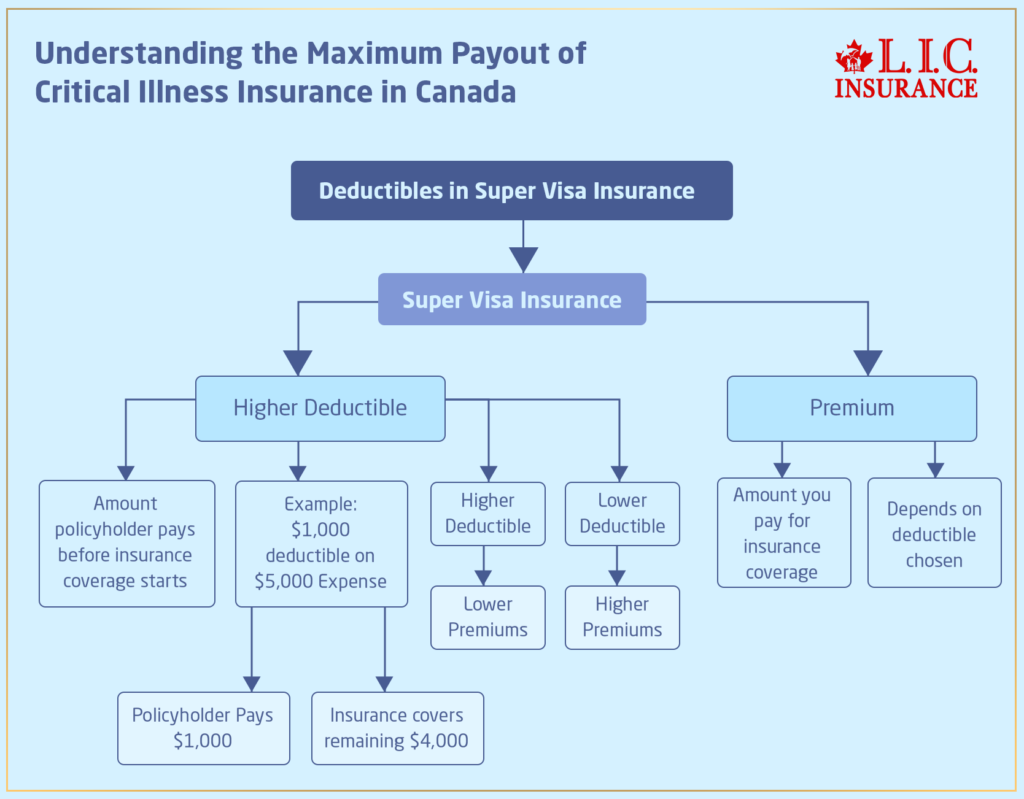
Deductibles lower the copyright's payment sum by mandating that clients pay a set upfront amount before the claim is finalized. This heavily influences the final payout amount, influencing the overall financial responsibility in claim scenarios.